
Greece tours bring groups face to face with a country full of ancient stories, dramatic coastlines and bright blue seas. Friends, large families, clubs, schools and company teams all discover something worth sharing here. Ancient temples crown the hills above busy streets, while fishing boats bob in quiet harbours below whitewashed hillside villages.
This guide from My Greece Tours walks through the main regions: Athens, the mainland, the Aegean islands, and Crete with the Ionian. Each section covers what a group will experience, which excursions fit best and what comes included. Organisers can then compare options calmly and plan a trip that suits everyone in the group.
Where Do Greece Tours Take Groups In Athens?
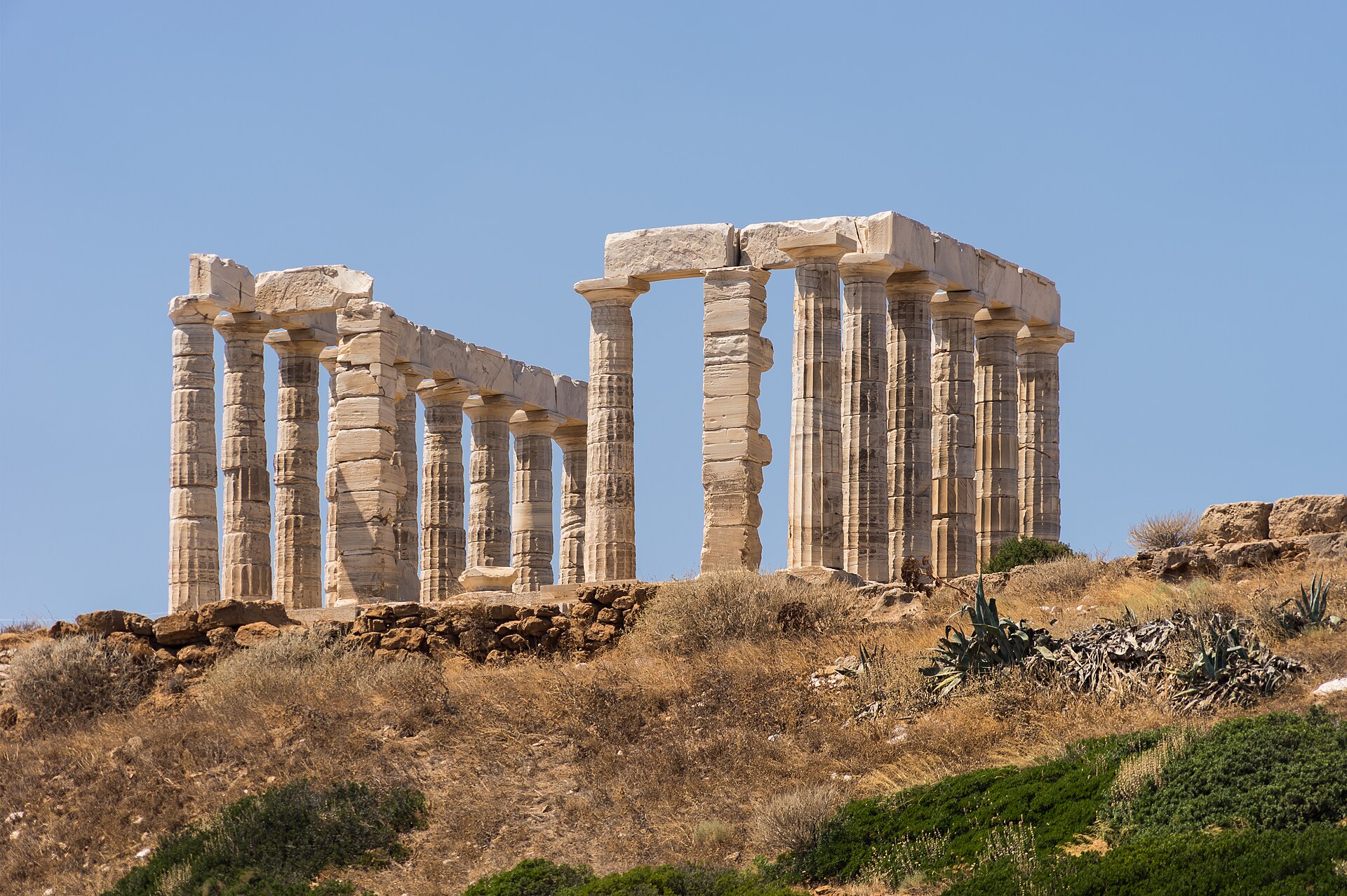
Groups in Athens visit the Acropolis, wander the old lanes of Plaka and ride out to the sea temple at Cape Sounion. Days combine ancient sites, local food and relaxing boat trips. That is why most Greece tours begin here, and guides to Tours In Greece place the capital near the top.
What makes Athens worth seeing?
The Acropolis rises on a rocky hill above the city, crowned by the Parthenon, a marble temple honouring the goddess Athena. Beside it stands the Erechtheion, famous for a porch supported by stone statues of young women. Groups often gasp at the panoramic view across the rooftops toward the surrounding mountains and sea.
Below the hill, the Acropolis Museum protects many original statues from the weather. It tops most lists of must-see museums in Athens, and its glass floors reveal an ancient neighbourhood excavated underneath. Nearby, the old lanes of Plaka wind past shady cafes, while Monastiraki square buzzes with a flea market and street food.
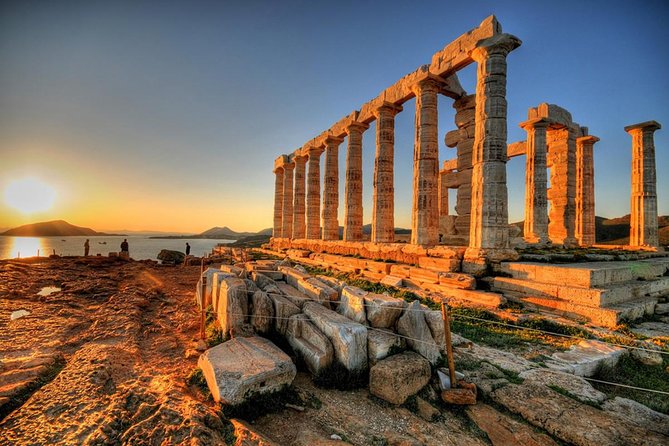
The Ancient Agora was the city’s old marketplace and meeting ground, where people shopped, debated and shared ideas beneath a well-preserved temple. Lycabettus Hill offers a sweeping sunset view of the whole city, Acropolis included. Further out, the Temple of Poseidon sits on the cliffs of Cape Sounion, high above the sea.
What types of Greece tours cover Athens?
Private tours with a driver-guide suit families travelling with young children or grandparents, since the plan bends around nap times. The vehicle always waits nearby, which helps slower walkers and anyone carrying bags. These tours are priced per group, not per person, so company teams see each share shrink as numbers grow.
Boat cruises along the coast near Athens suit groups of friends who want sunshine, fresh air and open water. A private skipper can steer toward quiet coves for swim stops, away from the busier beaches. Shared boat cruises also run, with a lively and social feel that teenagers and energetic adults enjoy.
Guided walking tours fit school groups and clubs who enjoy learning, because a lively guide brings old stones to life with stories. Cooking classes and wine tastings suit food lovers, celebrating families and work teams. Everyone chops, stirs and tastes together, turning an ordinary evening into a memorable night full of laughter.
What is included on Greece tours in Athens?
Many trips include lunch or a BBQ meal, which saves a large group from searching for a table big enough for everyone. On boat days, the crew often grills fresh food right on deck. Drinks come included too, and some cruises make them unlimited, which keeps the bill simple and the mood relaxed.
A licensed guide matters most at the Acropolis. Only state-licensed guides may lead groups inside Greek archaeological sites and museums. Local guides add practical tips on food, shopping and quiet corners away from the crowds. For a mixed group, a good guide keeps both history fans and restless teenagers interested all day.
Wine tastings often come with cooking classes, so adults can sample local wines alongside the dishes they prepared. Swim stops are part of most boat cruises, as the crew drops anchor in clear water and everyone jumps in to cool off. On a hot afternoon, that swim often becomes the highlight of the day.
Which group tips matter in Athens?
Book the Acropolis for early morning, before the summer heat and the crowds build up. The hill has little shade, so hats, water and sunscreen are essential for every member. Wear shoes with good grip, since the old stone paths are worn smooth. Give older relatives extra time and support on the steep climb.
Choose one meeting point in Plaka or Monastiraki, because the lanes twist and people drift apart easily. Share a group chat that includes the guide’s phone number. Keep bags small, since large backpacks are not allowed at some sites. A cafe break with cold drinks after each major visit keeps everyone cheerful.


Where Do Greece Tours Take Groups On The Mainland?
On the mainland, groups visit Delphi, the cliff-top monasteries of Meteora, Mycenae, Epidaurus and Ancient Olympia. These places hold some of the oldest stories in Europe. Between the sites, the seaside town of Nafplio and the narrow Corinth Canal make easy, scenic stops along well-maintained roads. A comfortable coach links them all.
What makes the Greek mainland worth seeing?
Delphi sits on the slopes of Mount Parnassus, a place the ancient Greeks called the centre of the world. Visitors travelled from far away to consult the oracle, a priestess who spoke for the god Apollo about the future. The ruins of Apollo’s temple, a theatre and a stadium still cling to the hillside.
Further north, the monasteries of Meteora perch on top of giant rock pillars, built there by monks seeking safety and peace. In the south, Mycenae was home to warrior kings, and its Lion Gate still guards the fortress. At Epidaurus, a whisper on the theatre stage carries clearly to the highest seats.
Nafplio, an elegant seaside town with stone lanes and a hilltop castle, served as the capital of Greece before Athens. Ancient Olympia is where the Olympic Games began, and groups can race on its ancient track. The Corinth Canal, a deep and narrow cut through solid rock, makes a quick photo stop.
What types of Greece tours cover the Greek mainland?
Full-day trips from Athens by coach are the easiest way to reach Delphi, Mycenae or Epidaurus. The coach leaves early and returns by evening. School groups and big clubs love that a single booking moves the whole crowd. There are plenty of day trip ideas from Athens to fill several relaxed days.
Small-group tours suit families and friends who prefer a calmer pace, since the smaller vehicle can pause at bakeries and viewpoints. Multi-day tours with hotel nights suit groups heading to Meteora and Olympia, which lie far from the capital and deserve more time. They spare everyone from long drives in a single day.
Guided walking tours work well in Nafplio, whose old town is best enjoyed on foot. Some groups prefer entry tickets, so they can explore Mycenae or Olympia at their own pace. This option suits clubs that like to wander and read the signs, and teachers who want to set their own lesson plan.
What is included on Greece tours in the Greek mainland?
A licensed guide is the most valuable extra on mainland trips, because bare stones at Delphi or Mycenae say little without a story. A good guide explains who lived there, what they believed and why it mattered. Local guides also know the best village tavernas and the quietest viewpoints along the route.
Entry tickets come included on many guided trips, which is a real help for groups. Without them, someone must queue and pay for every member at the gate, often in strong midday sunshine. With tickets sorted, the whole group walks straight in. Teachers and club leaders also avoid handling cash on the day.
Hotel nights come with multi-day trips, so nobody has to hunt for rooms after a long day. Groups often stay in the village below Meteora and wake to the giant rocks glowing at dawn. Beds booked ahead let a big family or company team relax, and everyone stays together under one roof.
Which group tips matter in the Greek mainland?
Mainland days start early and include long stretches on the road, so pack snacks, water and a light jacket. Mountain air at Delphi and Meteora can feel surprisingly cool, even in high summer. Seat anyone who gets carsick near the front. Ask the driver for regular breaks so children and grandparents can stretch.
The monasteries at Meteora ask for modest clothing. Women wear long skirts, and men wear long trousers with shoulders covered. Pick one person to count heads after every stop, because tired groups drift apart quickly. Set a clear meeting time at each site so the coach can leave on schedule without stress.
Where Do Greece Tours Take Groups In The Aegean Islands?
In the Aegean, groups sail between Santorini, Mykonos, Delos, Milos, Naxos and Paros. Each island has its own personality, from cliff-top villages to sandy coves and ancient ruins. Boat days, sunset views and long seaside lunches shape most island plans, and regular ferries let groups combine several islands. Each one rewards an unhurried visit.
What makes the Aegean islands worth seeing?
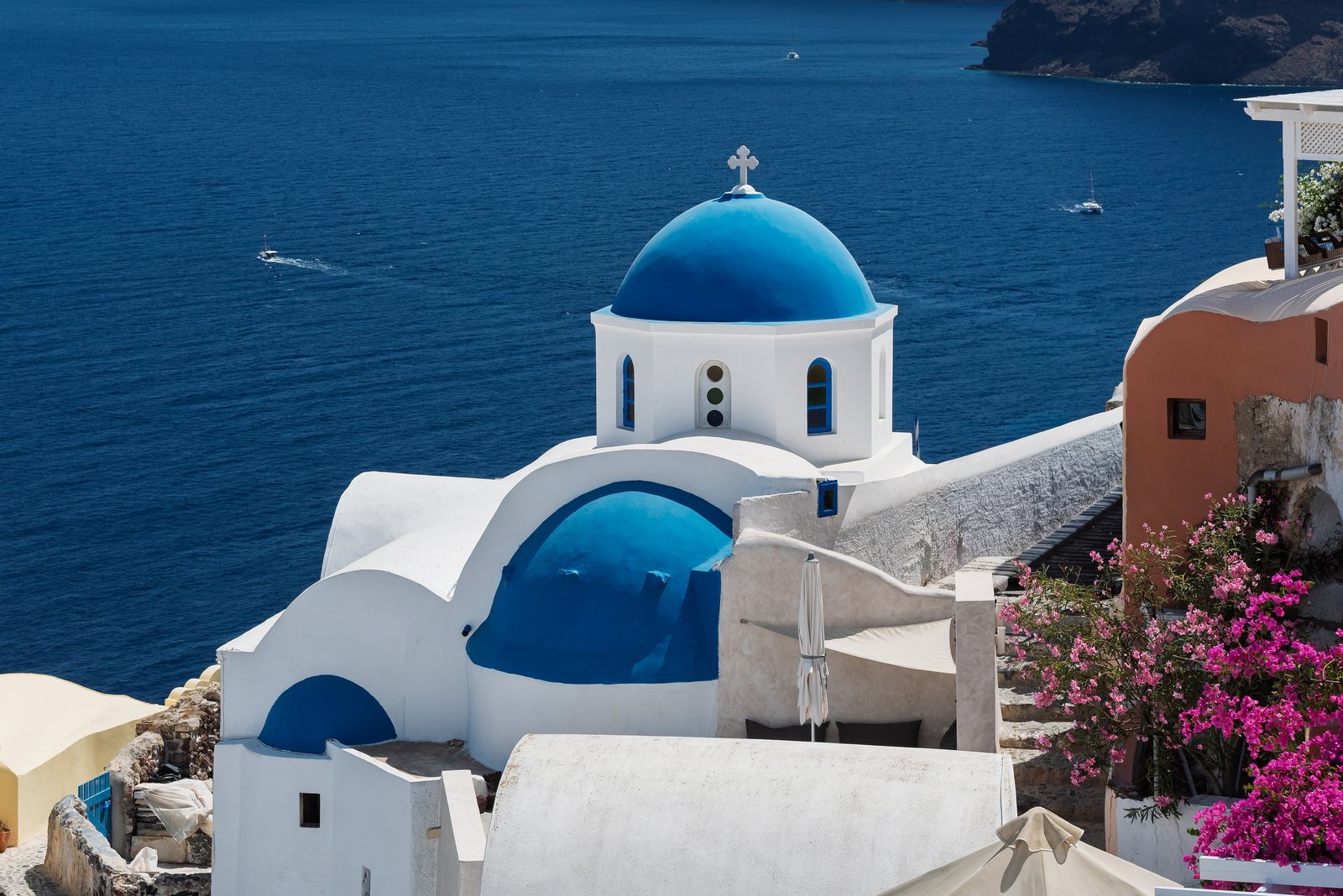
Santorini is famous for its caldera, a huge sunken crater left behind after a volcano blew apart. White villages line the cliff edge, and blue domes shine above the sea. Mykonos greets visitors with a row of old windmills on a hill, while the houses of Little Venice stand at the water’s edge.
A short boat ride from Mykonos lies Delos, a small island covered in ruins. The ancient Greeks believed Apollo was born there, so it became a sacred place and a busy trading port. Today, groups walk among empty streets, marble lions and mosaics, which are floor pictures made from tiny coloured stones.
Milos is known for sea caves, where boats slip into coves of bright blue water. On Naxos, the Portara is a giant marble doorway to an unfinished temple, and at dusk it frames the setting sun. On Paros, Naoussa’s fishing harbour is full of colourful boats and octopus drying in the sun.
What types of Greece tours cover the Aegean islands?
Private tours with a skipper suit groups who want a boat entirely to themselves. Friends can sail around Milos or Santorini, stop wherever they like and play their own music. Pricing is per group, so the cost per head falls as numbers grow. On land, a private driver-guide covers hilltop villages and viewpoints.
Boat cruises with swim stops are the classic island day out. Shared cruises suit lively groups of friends, while families often prefer a calmer boat. Snorkel and beginner scuba trips suit teenagers and adults who want to see fish up close. An instructor teaches the basics first, so no previous experience is needed.
Full-day trips from Athens by coach suit groups based in the capital who want an island day. The coach carries everyone to the port, where a boat waits for a nearby island. Cooking classes and wine tastings on Santorini suit food lovers and company teams, who share their meal at one long table.
What is included on Greece tours in the Aegean islands?
Most boat days include lunch or a BBQ meal cooked on board, with salads and fresh bread. Drinks come with the trip, and some cruises serve them without limit, so groups save money and nobody argues over the bill. Swim stops come built in, mostly in hidden coves that only boats can reach.
Snorkel gear comes with most cruises, so families need not pack their own masks and fins for the children. On Delos, a licensed guide makes a big difference. The ruins spread wide and say little on their own. Local guides on Santorini and Naxos share village stories and the best photo spots.
Free time to explore is part of most island tours, letting shoppers browse and swimmers swim before everyone meets again. Wine tastings on Santorini showcase unusual wines grown in dark volcanic soil. The vines grow low and curled into baskets, which protects the grapes from strong island winds and fierce summer sun.
Which group tips matter in the Aegean islands?
Book ferries and boat tours early in summer, because island trips fill up fast. Anyone prone to seasickness should sit in the middle of the boat, watch the horizon and skip a heavy breakfast. Bring reef-safe sunscreen, hats and a dry bag for phones, as the sun burns faster on the water.
Groups unsure where to go can browse the top Greek islands to visit before booking anything. Pick one meeting spot at each port, since harbours get crowded and noisy when ferries arrive. Keep every ticket on one phone, with a paper copy held by another person, and wear sandals that can get wet.


Where Do Greece Tours Take Groups On Crete And The Ionian?
Groups on Crete explore the palace of Knossos, the harbour of Chania and the lagoon of Balos. Rhodes adds Lindos and its walled Old Town, while Corfu and Zakynthos offer green hills. These islands lie far apart, so groups choose one base and stay longer. Each feels like a small world of its own.
What makes Crete and the Ionian worth seeing?
Knossos was the grand palace of the Minoans, an early people who ruled Crete long before the Parthenon was built. Its painted walls show bulls, dolphins and young athletes. Legend says the maze of the Minotaur, a half-bull monster, lay beneath it. Groups pass red columns and peek into the throne room.
In Chania, the old harbour was built when Venice ruled Crete, and a stone lighthouse guards its entrance. Further west, the lagoon of Balos shines in shades of turquoise over pale sand. On Rhodes, the Acropolis of Lindos stands on a cliff above the sea, its temple ruins overlooking a white village.
The medieval Old Town of Rhodes, built in the age of knights and castles, still sits inside thick stone walls. Corfu old town mixes Venetian forts, Italian-style lanes and a large green square where locals play cricket. On Zakynthos, Navagio beach holds a rusty shipwreck, framed by towering white cliffs and blue water.
What types of Greece tours cover Crete and the Ionian?
Private tours with a driver-guide suit big families who would rather not rent cars. The guide behind the wheel knows every bend of the mountain roads. A private skipper suits friends who want to reach Balos or Navagio by boat. Both are priced per group, which keeps the cost fair for larger parties.
Boat cruises with swim stops are the easiest way to reach Navagio and Balos. They suit relaxed friends and families with older children. Full-day trips by coach work here much like they do from Athens. On Crete, the coach collects everyone from the hotel and links Knossos with a traditional mountain village.
Guided walking tours bring the old towns of Rhodes and Corfu to life. Groups who prefer their own pace can buy entry tickets to Knossos or Lindos. Cooking classes and wine tastings in Cretan villages suit company teams and food lovers. Locals teach dishes like dakos, a barley bread topped with tomato and cheese.
What is included on Greece tours in Crete and the Ionian?
Boat trips around Crete and Zakynthos often include lunch or a BBQ meal served on a quiet, sandy beach. Drinks are part of the deal, and some cruises serve them without limit. For a group, this means one clear cost, no awkward splitting of bills and everyone together at mealtime. Nobody goes hungry.
At Knossos and Lindos, a licensed guide turns broken walls into a living story. Entry tickets often come with guided trips, so the group skips the ticket line in the heat. Local guides share tips, like where to buy Cretan honey, and groups can read up on hidden gems in Crete before flying.
Wine tastings on Crete pair local wines with olive oil, cheese and bread. Grown-ups sip while children snack happily nearby. Swim stops break up the boat days, and the water around Balos and the Ionian coves is clear and inviting. Pack towels and a change of clothes, since some boats do not supply towels.
Which group tips matter in Crete and the Ionian?
Crete is large, so groups should stay near their favourite sights. Book Knossos for early morning, when the air is cool and the paths are quiet. The road to Balos is rough and dusty, so the boat is the more comfortable choice for older members. Bring some cash for small village cafes and bakeries.
The path up to Lindos is steep and slippery. Wear sturdy shoes and carry water for the sunny summit. On boat days, give each family or team a leader who counts heads before leaving a swim stop. Pack hats, sunscreen and light layers for breezy evenings on deck or by the sea.
Conclusion: Top Greece Tours For Groups, Planned Well
Greece rewards groups who plan with care. Athens brings ancient temples and lively squares, while the mainland offers sacred sites and cliff-top monasteries. The Aegean islands blend boat days with white villages, while Crete, Rhodes and the Ionian add palaces, castles and wild beaches. From children to grandparents, every member finds a favourite moment.
The best plan matches each tour type to the people and energy levels in the group. Choose guides and entry tickets for history stops, and boat cruises with meals and swims for rest days. For more help with logistics, read this guide to Greece group tours, then book early and enjoy the journey together.
Frequently Asked Questions About Top Greece Tours For Groups
Which Greece tours give groups the most for their money?
Private tours with a driver-guide or skipper give big groups strong value, since a single group fee is split among everyone. Boat cruises that include a BBQ meal, drinks and swim stops also stretch the budget. Full-day coach trips with entry tickets suit schools and clubs that watch their spending closely.
Do Greece tours accept big group bookings?
Yes, most tour providers in Greece welcome big groups, from school classes and sports clubs to company teams. Larger groups often get their own boat, coach or guide, which keeps everyone together all day. Booking early matters most in summer, and leaders should send a name list and dietary needs well ahead.
Which Greece tours include a guide and entry tickets?
Most mainland trips to Delphi, Mycenae and Olympia include a licensed guide and entry tickets in one booking. The same goes for many guided visits to the Acropolis in Athens, Knossos and Lindos. This saves the group from queueing at the gate and gives everyone the full story behind the ancient ruins.
How long should group Greece tours last?
Many groups mix full-day trips from Athens, a multi-day tour on the mainland and relaxed days on an island. Families with young children should keep each day shorter and plan rest days between major sites. Company teams short on time can fit Athens and one island into a long weekend.
Are Greece tours good in the shoulder season?
Yes, the shoulder season of spring and autumn is one of the best times for groups to travel. The weather is mild, the sites are calmer, and hotels have more room for large groups. Boat cruises with swim stops still operate on many islands, although the sea feels cooler in early spring.
How do groups choose between island and mainland Greece tours?
Groups who love history and grand ancient sites should lean toward the mainland, with Delphi, Meteora and Olympia. Groups who want sea, sun and lazy boat days should pick the islands instead. Plenty of groups combine both, starting with the mainland’s ruins and ending with a slow, sunny island stay that lets everyone unwind.
How do group leaders choose Greece tours?
Group leaders choose Greece tours by matching the pace, budget and interests of the whole group. Then they check size limits, pickup points and what each booking covers. A quick poll at the start saves arguments later and gives quieter members a fair say in the plan.
What should leaders ask first?
Before looking at Greece tours, a good leader asks each member what they hope to see and how active they want to be. Some people want ruins and museums, while others dream of beaches, boat days and long lunches. Writing these wishes down turns vague ideas into a clear, shared shortlist.
Leaders should also ask early about health, mobility, food needs and comfort with heat. A grandparent with sore knees or a teenager with a nut allergy changes which tours make sense for everyone. These details shape the whole plan, so smart leaders gather them in a simple form.
Budget talk matters just as much, even when it feels awkward in a group chat. A leader who sets a clear spending range keeps Greece tours affordable for everyone, not only the members with deep pockets. Reading a guide on choosing the right Greek tour helps turn these answers into firm choices.
How do leaders compare Greece tours?
The easiest way to compare Greece tours is to line them up against the same questions. What time does it start, where is the pickup, and how much walking is involved? Leaders who ask the same things of every option spot the best fit quickly and explain it clearly to the group.
Inclusions deserve a careful look, because tours with similar names can offer very different days. Some include a licensed guide, entry tickets and lunch, while others cover only transport and a driver. The cheaper option is not always the better deal once meals, tickets and transfers are added on top.
Escorted Greece tours need an extra check on the route, the pace and the hotel locations. Comparing escorted tour itineraries shows which plans rush through too many stops and which leave room to breathe. For mixed-age groups, a slower route with free afternoons and fewer hotel changes almost always wins.


Why do shared Greece tours work for bigger groups?
Shared Greece tours work for bigger groups because the guide, vehicle and planning are already in place. The leader simply books seats instead of building a whole day. Costs stay lower, and this overview of small-group and private experiences shows how each style feels on the road.
How do shared tours cut costs?
On a shared tour, the cost of the guide, driver and vehicle is split across everyone on board. That makes each seat cheaper than a private day, which matters for school groups and large families. Leaders can then spend the savings on a special group dinner or an extra excursion later in the trip.
Shared Greece tours also remove a lot of hidden work from the leader’s plate. The operator handles routes, timing, parking and tickets, so the group leader can relax and enjoy the day too. That freedom is easy to overlook until a leader has tried to plan everything for a large crowd without help.
Mixing with other travellers on shared Greece tours adds fresh energy to the day. Big groups meet friendly families and couples from other countries, and the guide keeps the mood light. Knowing some basic Greek cultural etiquette, like greeting the driver and keeping to agreed times, makes shared days smoother for all.
When do private Greece tours make more sense?
Once a group fills most of a minibus or coach, private Greece tours start to make more sense. The cost per person often drops close to a shared seat, and the group gains full control of timing and stops. Leaders should request both quotes in writing before deciding which way to go.
Private days also suit groups with special needs, such as young children, slow walkers or guests who need step-free routes. The guide can adapt the plan on the spot without upsetting other guests. This detailed guide to private tours explains how to request changes, extra stops and special menus in advance.
Shared tours work well for clubs that enjoy meeting new people, while private ones suit company teams that want to talk freely. Some groups split the difference, booking private days for big sites and shared ones for easy outings. That mix keeps Greece tours flexible, costs balanced and everyone happy.
How do groups handle transfers between Greece tours?
Groups handle transfers between Greece tours by booking private vans or coaches for big moves and taxis for short hops. Clear timing and a single meeting point keep everyone together. A leader who plans every link ahead avoids missed starts, lost luggage and stressed members waiting at the roadside.
How do groups move between cities?
For moves between Athens and the mainland, a private coach or minibus is the simplest choice for a big group. Luggage goes underneath, everyone sits together, and the driver waits if a stop runs long. It also links neatly with Greece tours that start from a hotel pickup the next morning.
Smaller groups on a tighter budget can use trains, buses and the Athens metro, which runs to the airport. This practical guide to Greece by public transport explains the main routes, tickets and connections. It works best when the group travels light and stays together in the same carriage.
Taxis suit the last short leg of a transfer, such as from a port to a hotel. A group using several taxis should share one written destination address, so no car gets lost. Knowing a few essential Greek phrases, like hello and thank you, also wins smiles from drivers.
How do ferries fit between Greece tours?
Ferries are the main link between the mainland and the islands, so timing them around Greece tours takes care. Leaders should leave a buffer between a ferry arrival and any booked tour, since sea delays happen in windy weather. A calm morning at the port always beats a frantic dash to a meeting point.
Big groups should book seats together, ideally in the same lounge or cabin area. These ferry booking tips explain how to find good routes, seats and fares before they sell out. Fast boats save time, while larger conventional ferries offer more deck space and a smoother ride.
On the day, the leader should hold all tickets and arrive early, since gates close before departure. Practical tips for ferry travel cover luggage, seasickness and boarding for groups of every size. Groups should also follow basic safety tips for visitors in busy ports, keeping bags and phones close.
How do groups split payments for Greece tours?
Groups split payments for Greece tours by choosing one organiser to book and pay. The organiser then collects each member’s share through a payment app or bank transfer. Clear rules agreed at the start keep friendships intact and bookings secure, even when plans change.
Which payment methods suit groups?
Most groups pick one payer, usually the leader, because tour operators prefer a single booking and a single card. That person then collects money from everyone else before or after the trip. The simplest methods are the ones every member already uses, such as these.
- A shared expense app that tracks who owes what
- Bank transfers sent before the booking date
- A group kitty for small costs like taxis and snacks
- Separate payments for optional extras
- A simple shared spreadsheet the whole group can see
Whatever the method, the payer should keep every receipt and post copies in the group chat for all to see. That openness builds trust and stops small doubts from growing into real arguments. It also makes refunds and credits easier to sort out if a member drops out.
Who pays what on Greece tours?
Equal shares work well when everyone joins the same Greece tours and eats the same meals. When some members skip a day or choose a pricier option, costs should follow the choice. That way, nobody pays for a boat trip or wine tasting they never joined.
Families with children often ask about lower rates for kids, so leaders should check each tour’s policy before splitting costs. Company groups usually pay through one business account, which keeps records tidy for the finance team. These budget tips for Greece help every group stretch its money further.
Deposits deserve their own clear rule within the group. Leaders should collect deposits from every member before paying for Greece tours, so the organiser never carries the risk alone. A short written note on cancellations and refunds, even a simple chat message, protects both the payer and the group.
Tips for guides and drivers on Greece tours are easier to handle as a group. Many leaders add a small extra to each share and hand over one envelope at the end of the day. This keeps thanks generous and avoids an awkward scramble for coins.


Which Greece tours suit school groups?
School groups do best on Greece tours that turn lessons into real places, such as guided visits to Athens, Delphi and Olympia. Short walks, clear rules and licensed guides keep students focused. These trips bring textbook chapters to life in a way no classroom lesson or screen can match.
What do students learn on Greece tours?
Standing in the Ancient Agora, students see where early ideas about democracy, or rule by the people, took shape. At Olympia, they can run on the track where the ancient Games began. A quick read of Greek history worth knowing before the trip helps them connect the dots on site.
Teachers often build Greece tours around the top archaeological sites, such as the Acropolis, Delphi and Mycenae. Only state-licensed guides may lead groups inside these sites, so schools that want a guided visit book a licensed one. Good guides use stories, myths and questions to keep teenagers listening.
Museums add depth to outdoor visits and give students a cool break on hot afternoons. The Acropolis Museum and the National Archaeological Museum in Athens hold statues, gold masks and everyday objects. This Greek art and museums guide helps teachers pick the rooms and pieces that match their lessons.
How do teachers keep school trips safe?
School Greece tours need tight timing, simple rules and a clear plan for every hour of the day. Teachers split students into small buddy teams, each with a leader who checks names at every stop. Bright caps or matching shirts make the group easy to spot in busy places like Monastiraki.
Heat is the biggest risk on summer trips, so teachers plan outdoor sites for the early morning. Every student carries water, a hat and sunscreen, and shaded breaks come often. Many schools travel in spring instead, when the weather is mild, the light is soft and sites are calmer.
Parents feel calmer when they get a clear daily plan and a contact number for the trip leader. Coach transfers with the same friendly driver each day also build trust with students and staff. Simple meals and early nights keep energy steady for the next day of Greece tours.
Which Greece tours suit company groups?
Company groups enjoy Greece tours that mix shared fun with easy logistics, such as private boat days, cooking classes and guided city walks. Private bookings keep conversations open, schedules flexible and costs clear. The best plans leave room for teamwork, celebration and real rest between work sessions.
Which Greece tours build team spirit?
Cooking classes are a favourite, because everyone has a job and the reward is a shared meal. Teams learn to fold cheese pies, roll stuffed vine leaves and mix fresh village salads together. This list of Greek food to try gives planners fresh ideas for menus, tastings and market visits.
A private boat day on Greece tours turns colleagues into a relaxed crew. Guests can swim, snorkel and share a long lunch at sea, far from email and phone calls. Groups who love the water can read about sailing holidays in Greece to plan a longer trip with a skipper.
Friendly challenges work well too, such as a treasure hunt through the lanes of Plaka or a wine blending game. These activities mix staff from different departments who rarely talk during the working week. Afterwards, the group shares stories over dinner, which builds bonds that last back at the office.
How do companies mix work and leisure?
Most company Greece tours pair morning meetings with relaxed afternoon outings and evenings off. Athens works well for this, since many hotels with meeting rooms sit close to the Acropolis and Plaka. Teams can finish a session and stroll to a rooftop dinner facing the lit-up Parthenon.
Planners should pick Greece tours with flexible start times and easy pickups from the hotel lobby. A private guide can shorten or reshape a visit if a morning meeting runs late. Clear schedules shared in advance help busy staff switch off and enjoy each outing fully.
Reward trips call for something special, such as a private evening at a winery or a catamaran cruise around the islands. Small touches like welcome gifts, matching shirts and a group photo make staff feel valued. These moments often matter more to employees than any formal speech or award.


Which Greece tours suit wedding parties?
Wedding parties love Greece tours that bring guests together around the big day, such as sunset cruises, island walks and tasting dinners. Relaxed plans suit every age, from flower girls to grandparents. This list of top Greece wedding destinations compares favourite islands, from Santorini to Crete.
Which Greece tours suit wedding guests?
Sunset cruises are a classic welcome event, since guests meet each other on deck with a drink in hand. In Santorini, boats sail past the caldera cliffs as the sky turns gold. This guide to the best sunset spots helps couples choose the perfect evening setting.
Wine tastings and food tours suit guests who want a calm afternoon before the ceremony. Village walks and short boat trips work well for younger guests with energy to spare. Offering a small menu of Greece tours lets every guest pick a day that suits their mood.
Wedding groups often include grandparents, babies and lively cousins, so a gentle pace matters on every outing. These family-friendly travel tips help couples plan outings with shade, short walks and easy seating. A calm schedule keeps everyone fresh, rested and smiling for the celebration itself.
Groomsmen and bridesmaids often want their own outing, such as a speedboat trip or a beach afternoon. Separate Greece tours for each side of the party keep the mood light before the ceremony. Everyone then meets again for the rehearsal dinner with fresh stories to share.
How do couples plan around the big day?
Couples should keep the day before the wedding light, with only short Greece tours or free time. Bigger outings fit best after the ceremony, when guests want to relax and explore. This also gives the couple a quiet window to rest, finish details and enjoy their guests.
Group photos look stunning against whitewashed villages, blue doors and the open sea. A short walk with a photographer through Oia or Little Venice gives every guest a lasting keepsake of the trip. These photography tips explain when the light is softest and where crowds are thinnest.
Transport needs extra care with wedding parties, since guests arrive on different days. A shared coach for the main events keeps everyone on time and avoids guests lost on winding roads. A host or planner who knows the island can answer questions and handle surprises calmly.
Which Greece tours suit sports and club groups?
Sports and club groups thrive on active Greece tours such as hiking, sea kayaking, cycling and sailing, with guides who know the terrain. Hobby clubs prefer tours built around their shared passion. Either way, the group’s common interest shapes every single day of the trip, from breakfast to the evening meal.
Which active Greece tours suit sports teams?
Hiking clubs love the gorges of Crete, the trails of the Zagori villages and the paths around Meteora. This guide to the top hiking trails shows routes for different fitness levels and seasons. Guided hikes add safety, local knowledge and luggage transfers between remote mountain villages, so walkers carry only a day pack.
Teams that train together enjoy Greece tours with a real physical challenge and a bit of friendly rivalry. Sea kayaking, cycling and canyoning all suit fit groups, and this round-up of adventure activities in Greece covers many more. Popular picks for sports teams include the following.
- Sea kayaking along quiet coastlines and sea caves
- Cycling tours through olive groves and vineyards
- Canyoning and river trekking in mountain gorges
- Rock climbing on the cliffs of Kalymnos
- Open-water swims between quiet bays
Active Greece tours need fuel and recovery time built into the plan. Teams should plan big breakfasts, plenty of water and an easy evening after every hard outing. A rest day by the sea, with a slow swim and a long lunch, keeps tired muscles fresh for the next challenge.
How do hobby clubs shape their trips?
Hobby clubs get the most from Greece tours that match their shared passion closely. Photography clubs chase golden light in Santorini and Meteora, while birdwatchers head to quiet wetlands. History societies fill their days with ancient sites, small museums and expert talks from licensed guides.
Walking clubs and choirs often travel with mixed ages, so they need a steady, comfortable pace. Gentle coastal walks, village visits and long lunches in the shade suit these groups well. Club leaders should share fitness levels and any health needs with the guide well before the trip.
Food and wine clubs can build a whole trip around tastings, markets and cooking lessons. Crete, Nemea and Santorini each offer distinct wines, cheeses and olive oils worth comparing side by side. Visiting small family producers gives members stories, recipes and memories to share long after Greece tours end.
Which destinations appear on group Greece tours?
Group Greece tours most often feature Athens, the classic mainland sites and a mix of islands, from the Cyclades to Crete and Corfu. Each place offers a different side of the country. The lists below link to detailed guides for every stop.
Cyclades
The Cyclades are the classic island group of the Aegean, famous for white houses, blue shutters and windy summers. Ferries link them closely, so Greece tours often visit more than one island in a single trip. Each island has a different mood, from lively nights to quiet fishing villages.
- Santorini: caldera cliffs, blue domes and sunsets over a flooded volcano
- Mykonos: windmills, Little Venice and a lively beach and nightlife scene
- Naxos: the marble Portara gateway, mountain villages and long sandy beaches
- Paros: the fishing harbour of Naoussa and relaxed whitewashed villages
- Milos: sea caves, white rock coves and boat trips to hidden beaches
- Sifnos: pottery workshops, island cooking traditions and quiet hilltop villages
Mainland
The mainland holds the capital and the great sites of ancient Greece, all within reach by coach. Many Greece tours for groups start here before heading to the islands. Licensed guides bring these ruins to life with stories of gods, kings and athletes.
- Athens: the Acropolis, the Parthenon and lively old lanes like Plaka
- Delphi: the mountain sanctuary of Apollo and his famous oracle
- Meteora: monasteries perched on giant rock pillars above a green valley
- Olympia: the birthplace of the Olympic Games and its ancient stadium
- Mycenae: the hilltop fortress of warrior kings and its Lion Gate
- Epidaurus: an ancient theatre where a whisper carries to the top row
South and west
South and west of the mainland lie larger islands with their own history and food. Crete and Rhodes pair ruins with beaches, while Corfu and Kefalonia offer green hills and calm bays. These islands reward longer stays, so Greece tours often base groups there for several nights.
- Crete: the Minoan palace of Knossos, gorges and the Venetian harbour of Chania
- Rhodes: a walled medieval Old Town and the clifftop Acropolis of Lindos
- Corfu: an elegant old town with Venetian forts and green hills
- Kefalonia: Myrtos beach, the Melissani cave lake and pretty harbour villages
How do groups plan Greece tours over two weeks?
Groups plan two weeks of Greece tours by starting in Athens, looping the Peloponnese, visiting Delphi and Meteora, then relaxing on two islands. This order saves backtracking and tired legs. It also balances busy sightseeing days with slower beach time at the end.
Athens and the Peloponnese
The trip begins in Athens, where groups spend the first days on the Acropolis, the Acropolis Museum and the lanes of Plaka. A guided walk on arrival day helps everyone find their bearings. Evenings in Athens are lively, with rooftop dinners facing the floodlit Parthenon.
Next, a coach crosses the Corinth Canal into the Peloponnese, the large peninsula of southern Greece. Groups visit Mycenae and the theatre of Epidaurus, then sleep in the seaside town of Nafplio. Nafplio’s old town and castle make a lovely base for these Greece tours.
From Nafplio, the route crosses the green hills of Arcadia to Ancient Olympia, where the Olympic Games began. Groups can race on the old stadium track and visit the site museum. A relaxed evening in a village taverna rounds off this part of the trip.
The Peloponnese suits groups who like variety, since ruins, beaches and mountain villages sit close together. Greece tours here pass orange groves and pause for lunch in seaside towns. The coach handles every winding road, so everyone can sit back and enjoy the views.
Groups that prefer to plan each step themselves can follow this guide to self-guided itinerary planning. It shows how to pace driving days and book hotels in the right towns. Even with a coach and guide, leaders gain a lot from knowing the route ahead of time.
Delphi and Meteora
From Olympia, the road crosses a long bridge over the Gulf of Corinth and climbs toward Delphi. The sanctuary of Apollo clings to the slopes of Mount Parnassus, high above an olive valley. A licensed guide explains the oracle, the priestess who spoke for Apollo.
Groups often stay overnight in the mountain village of Arachova or in Delphi itself. Both offer cosy tavernas, hearty mountain food and wide views across the valley toward the sea. This quiet night between big sites keeps Greece tours from feeling rushed.
The next leg heads north to Meteora, where monasteries sit on top of giant rock pillars. Groups visit a few monasteries, which ask for modest clothing, and watch the sunset from a rocky viewpoint. Staying in the village below gives an early start before the coaches arrive.
This northern loop shows a wilder side of Greece, with pine forests, high passes and quiet farming towns. It suits clubs, families and school groups who enjoy nature as much as history. Packing a warm layer helps, since mountain evenings feel cooler than Athens.
From Meteora, the coach returns south to Athens or heads to a port for the islands. This long drive works best with planned stops for coffee and lunch. Leaders should check ferry times before fixing the day, so the group arrives with time to spare.
Two islands
The final stretch of the trip is for slowing down on two islands. A classic pairing for Greece tours is Santorini with Naxos or Paros, mixing famous views with calmer beaches. Groups that love variety can try this guide to Greek island hopping for more island pairs.
Choosing the right pair of islands depends on the mood and ages of the group. Friends who want nightlife lean toward Mykonos, while families and older guests prefer Naxos, Paros or Milos. Mixing one famous island with one quieter island gives Greece tours a good balance.
Getting between islands takes careful planning, above all in peak summer when boats sell out. Fast boats are quicker, while large ferries are steadier and roomier for groups with luggage. This guide on how to travel between Greek islands compares ferries, flights and smart routes.
On the busier island, groups can book a boat cruise with swim stops and a sunset dinner. On the quieter one, free beach days let everyone rest before the flight home. A final group meal by the water makes a fitting end to the journey.
Most groups fly home from Athens, so the last night is often back in the capital. Ferries or short flights connect the islands with Athens, and leaders should leave a spare day before flights abroad. That simple rule keeps Greece tours stress-free to the very end.
More questions about Greece tours for groups
Group leaders often ask the same useful questions before booking, from cruise ports and mobility to meals, invoices, languages and summer packing. The answers below cover each one clearly.
Can Greece tours start from a cruise port?
Yes, many Greece tours start right at the cruise port, with guides and drivers meeting groups at the ship or terminal gate. Piraeus, Katakolo and Santorini all run shore trips for cruise guests. Tours are timed to return well before the ship sails, so nobody misses boarding.
Are Greece tours easy for people with limited mobility?
Many Greece tours adapt for limited mobility, with private vehicles, shorter walks and step-free routes at key sites. The Acropolis has a lift for guests who struggle with steps. Ancient sites have uneven paths, so leaders should share needs early and let guides plan the smoothest route.
Do Greece tours offer vegetarian meals?
Yes, most Greece tours that include meals offer vegetarian options, and Greek food makes this easy with salads, beans, pies and grilled vegetables. Groups should list dietary needs when booking, and many dishes are naturally vegan because of the fasting days of the Greek church.
Can a group get one invoice for Greece tours?
Yes, most operators can issue one invoice for the whole group, which suits companies, schools and clubs that need tidy records. Leaders should ask for it before paying and share billing details early. Company groups can also ask for company and tax details on the invoice.
Which languages do guides speak on Greece tours?
English is standard on Greece tours, and many licensed guides also speak French, German, Italian or Spanish. Private groups can request a guide in their own language, which helps school groups and older relatives. Booking early gives the best chance of finding one for less common languages.
What should groups bring on Greece tours in summer?
Groups should bring hats, sunscreen, water bottles, good walking shoes and light clothes on summer Greece tours. A light scarf or shawl covers shoulders at churches and monasteries. Swimsuits and a small towel come in handy for surprise swim stops on boat days.
See more in Prosweb: